
The Complete Guide to Vintage Pokémon Card Sets (1999–2003)

Updated: Aug 5
Vintage Pokémon cards remain the crown jewel of the hobby. These are the earliest sets printed during the Wizards of the Coast (WotC) era, alongside the first wave of early EX sets that many collectors treat as vintage-adjacent.
This comprehensive guide walks through every major vintage era expansion, what makes them special, and how to approach collecting them today.

Before You Start: The Golden Rule of Vintage Pokémon Collecting
Protecting vintage cards is just as important as buying them. Before sliding a 25-year-old card into a binder, it needs the right archival layers. We recommend a simple protection strategy:
Premium Penny Sleeves: Always sleeve your card first to prevent surface wear and minor scratches. Check out our Best Sleeves for TCG Cards Guide.
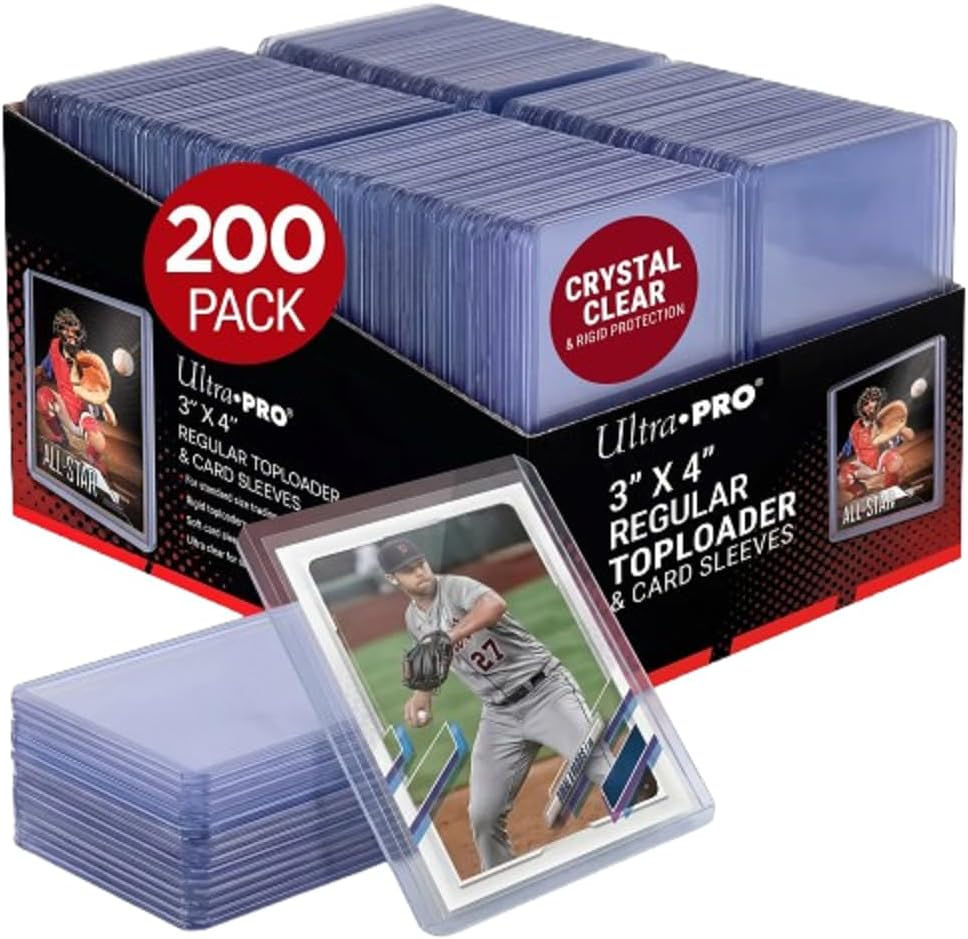
Rigid Top Loaders: For your heavy hitters and favorite holos, a top loader prevents bending. See our top picks in the Best Top Loaders for Pokémon Cards Guide.
Premium Binder: Keep complete sets organized safely away from dust. View the top choices in our Best Trading Card Binders Guide.
Affiliate Disclosure: Thornberry Media utilizes affiliate links. If you purchase supplies through our links, we may earn a small commission at no extra cost to you.
Vintage Pokémon Set Comparison
Set | Year | Master Set Difficulty | Most Valuable Card | Best For |
Base Set | 1999 | ⭐⭐⭐⭐ | 1st Edition Charizard | Ultimate Nostalgia |
Jungle | 1999 | ⭐⭐ | Holo Snorlax / Eeveelutions | First-time Master Set Builders |
Fossil | 1999 | ⭐⭐ | Holo Dragonite | Great Value Vintage |
Base Set 2 | 2000 | ⭐⭐⭐ | Holo Charizard | Budget-Conscious Collectors |
Team Rocket | 2000 | ⭐⭐⭐ | Dark Charizard | Fans of Dark Pokémon |
Gym Heroes | 2000 | ⭐⭐⭐⭐ | Erika's Dragonair / Sabrina's Gengar | Anime & Gym Leader Fans |
Gym Challenge | 2000 | ⭐⭐⭐⭐ | Blaine's Charizard / Rocket's Mewtwo | Gym Leader Completionists |
Neo Genesis | 2000 | ⭐⭐⭐⭐ | Holo Lugia | Gen 2 / Johto Lovers |
Neo Discovery | 2001 | ⭐⭐⭐⭐ | Holo Umbreon / Espeon | Intermediate Collectors |
Neo Revelation | 2001 | ⭐⭐⭐⭐⭐ | Shining Tyranitar / Shining Gyarados | Advanced Collectors |
Neo Destiny | 2002 | ⭐⭐⭐⭐⭐ | Shining Charizard | High-End Grail Hunters |
Legendary Coll. | 2002 | ⭐⭐⭐⭐⭐ | Reverse Holo Charizard | Reverse Holo Enthusiasts |
Expedition | 2002 | ⭐⭐⭐⭐⭐ | Holo Charizard | e-Reader Era Fans |
Aquapolis | 2003 | ⭐⭐⭐⭐⭐ | Crystal Lugia | High-End Art Lovers |
Skyridge | 2003 | ⭐⭐⭐⭐⭐ | Crystal Charizard | Elite / Hardcore Collectors |
The Original Kanto Era (1999–2000)
Base Set (1999)
Overview: Base Set introduced the Pokémon Trading Card Game to North America in 1999 and remains the most recognizable and historically significant expansion ever released. It laid down the framework that the game still uses today.
Chase Cards: Charizard, Blastoise, Venusaur, Alakazam, Mewtwo, Chansey.
Master Set Completion Difficulty: ⭐⭐⭐⭐
Collector Tips: Learn the clear visual differences between Unlimited, Shadowless, and First Edition variants. Watch closely for silvering on the edges, hairline holo scratches, and centering issues if you plan on grading.

Jungle (1999)
Overview: Jungle was the first true expansion to Base Set, adding 64 cards and introducing the original Eeveelutions alongside many fan-favorite Pokémon. The artwork leans softer and more playful than its predecessor.
Chase Cards: Jolteon, Flareon, Vaporeon, Snorlax, Scyther.
Master Set Completion Difficulty: ⭐⭐
Collector Tips: Because of its smaller checklist size and generally affordable singles, Jungle is widely considered an excellent option for your very first vintage master set.
Fossil (1999)
Overview: Fossil completed the early original Pokédex wave, introducing iconic prehistoric variants and the Legendary Birds with a darker, more atmospheric tone.
Chase Cards: Dragonite, Gengar, Moltres, Articuno, Zapdos.
Master Set Completion Difficulty: ⭐⭐
Collector Tips: One of the best-value vintage sets for new collectors looking to accumulate authentic WotC-era cards without massive overspending.
Base Set 2 (2000)
Overview: Base Set 2 combines selected cards from the original Base Set and Jungle, making it a highly nostalgic option featuring classic art with a distinct logo identifier.
Chase Cards: Charizard, Blastoise, Venusaur.
Master Set Completion Difficulty: ⭐⭐⭐
Collector Tips: Purists occasionally pass it over, which makes it a highly practical alternative for collectors who are priced out of original Base Set singles.
Team Rocket (2000)
Overview: The first set to feature corrupted "Dark" Pokémon, introducing grittier, edgier versions of classic characters tied to Team Rocket lore. It famously holds the title for containing the first secret rare card ever printed: Dark Raichu.
Chase Cards: Dark Charizard, Dark Blastoise, Dark Dragonite.
Master Set Completion Difficulty: ⭐⭐⭐
Collector Tips: Look for clean holographic surfaces and strong centering, as the dark borders heavily accentuate any physical edge wear. For high-end cards like Dark Charizard, showcasing them in an premium magnetic holder completely elevates the display.

The Gym Leader & Johto Neo Eras (2000–2002)
Gym Heroes (2000)
Overview: Gym Heroes brought Gym Leaders directly into the TCG, introducing unique, character-driven cards owned by iconic trainers.
Chase Cards: Erika's Dragonair, Sabrina's Gengar, Misty's Gyarados.
Master Set Completion Difficulty: ⭐⭐⭐⭐
Collector Tips: These trainer-themed cards are heavily character-driven and display beautifully when organized by specific gym leader rows in side-loading binders.
Gym Challenge (2000)
Overview: Expanded on the Gym Leader mechanics established in Heroes, adding some of the era's most powerful and highly desirable holographic cards.
Chase Cards: Blaine's Charizard, Rocket's Mewtwo.
Master Set Completion Difficulty: ⭐⭐⭐⭐
Collector Tips: Highly sought-after by gym leader completionists, meaning raw singles command stable premium prices.
Neo Genesis (2000)
Overview: Marked the official debut of Generation II Pokémon from Gold & Silver into the card game, with the legendary Lugia serving as the set's definitive mascot.
Chase Cards: Lugia, Feraligatr, Meganium, Typhlosion.
Master Set Completion Difficulty: ⭐⭐⭐⭐
Collector Tips: Neo Genesis is notorious for difficult centering and factory print-quality issues. For example, the Holo Typhlosion #17 is legendary for its grading difficulty.
Neo Discovery (2001)
Overview: Expanded heavily on the Johto region additions, leaning into a peaceful, atmospheric tone and introducing fan-favorites like the dark Eeveelutions.
Chase Cards: Umbreon, Espeon, Tyranitar.
Master Set Completion Difficulty: ⭐⭐⭐⭐
Collector Tips: Umbreon and Espeon drive the vast majority of the set's long-term market demand.
Neo Revelation (2001)
Overview: A highly historic set that serves as the official birthplace of "Shining" Pokémon outside of early random promotional releases.
Chase Cards: Shining Gyarados, Shining Magikarp.
Master Set Completion Difficulty: ⭐⭐⭐⭐⭐
Collector Tips: Because of the historical weight of the first Shining printings, high-grade versions command elite premiums from advanced collectors. Safely locking away raw copies inside archival rigid toploaders is crucial to prevent the textured foil surface from picking up handling wear.
Neo Destiny (2002)
Overview: Widely considered the absolute peak of WotC-era creativity, utilizing a distinct dark-versus-light theme and introducing a major wave of Shining icons.
Chase Cards: Shining Charizard, Shining Mewtwo, Shining Tyranitar.
Master Set Completion Difficulty: ⭐⭐⭐⭐⭐
Collector Tips: Low supply combined with intense demand makes this a true top-tier set. Use specialized semi-rigid holders or UV-blocking magnetic cases to preserve your raw copies safely.
The Final WOTC Sets & E-Reader Era (2002–2003)
Legendary Collection (2002)
Overview: A legendary reprint compilation set famed for debuting an explosive, highly reflective "fireworks" reverse holographic foil pattern.
Chase Cards: Reverse Holo Charizard, Reverse Holo Dark Blastoise, Reverse Holo Gyarados.
Master Set Completion Difficulty: ⭐⭐⭐⭐⭐
Collector Tips: These unique reverse holos are highly eye-catching but exceptionally prone to scratching. Consider utilizing premium UV-protective display cases or top loader binder pages to safeguard them from light and physical friction.
Expedition Base Set (2002)
Overview: The official beginning of the e-Reader era, changing the physical composition of cards with a thick left border designed to interface with the Nintendo Game Boy Advance.
Chase Cards: Holo Charizard, Holo Blastoise, Holo Mewtwo.
Master Set Completion Difficulty: ⭐⭐⭐⭐⭐
Collector Tips: Due to the distinct border change, pristine edges are absolutely crucial for securing top grades when submitting cards for evaluation.
Aquapolis (2003)
Overview: Features some of the most complex, beautiful artwork styles in the entire TCG, seamlessly integrating the e-Reader boundaries with high-end premium art. This is where rare, alternative "Crystal" Pokémon first made their appearance.
Chase Cards: Crystal Lugia, Crystal Nidoking, Espeon.
Master Set Completion Difficulty: ⭐⭐⭐⭐⭐
Collector Tips: Crystal cards command premium values. Utilize humidity-safe storage systems alongside double-sleeving techniques to keep the older vintage cardstock perfectly flat and secure.
Skyridge (2003)
Overview: The final set officially printed by Wizards of the Coast before the publishing rights shifted to Nintendo. It is universally viewed as one of the most prestigious, rare, and high-value master sets in existence.
Chase Cards: Crystal Charizard, Crystal Celebi, Crystal Ho-Oh, Umbreon.
Master Set Completion Difficulty: ⭐⭐⭐⭐⭐
Collector Tips: Because it hit the market during a massive corporate transition, it had an incredibly low print run, resulting in severe long-term sealed product and single card scarcity. Treat all holos and Crystals from this set with top-tier protective sleeves and heavy-duty rigid storage immediately.
Early EX Vintage Era (2003–2004)
EX Ruby & Sapphire
Overview: This set marked the official transition from WotC to Pokémon USA printing, introducing a totally redesigned card layout and the powerful, shiny "EX" mechanic.
Chase Cards: EX Hitmonchan, EX Scyther, EX Mewtwo.
Collector Tips: An incredibly important transition set. While the layout split the fan base initially, long-term collector interest remains exceptionally strong.
EX Sandstorm
Overview: A heavily desert-themed expansion featuring unique evolution lines and solid, competitive EX heavy hitters.
Chase Cards: Groudon, Kyogre, Team Aqua & Team Magma variants.
Collector Tips: Compared to rare late-WotC expansions, Sandstorm stands out as a highly accessible and affordable introduction for collectors looking to explore the early EX ecosystem.

Frequently Asked Questions
What is a vintage Pokémon "Master Set"?
A master set generally refers to collecting every single physical card variant officially included within an expansion's release cycle. This means acquiring the standard commons, uncommons, rares, holographics, non-holo variants, and any existing reverse holos.
Which vintage set is the hardest to complete?
Skyridge, Legendary Collection, and Neo Destiny are widely considered the hardest milestones. Skyridge suffered from massive supply constraints due to the end of the WotC era, while Neo Destiny has an incredibly high concentration of rare, expensive Shining chase cards.
Are Japanese vintage cards worth collecting?
Absolutely. Many collectors choose Japanese vintage because the cardstock quality was often superior, the holofoil patterns vary slightly from English variants, and certain unique promo sets were never translated internationally.
Should I buy raw or graded vintage cards?
If your primary goal is organizing a uniform set to look at inside a binder, buying raw singles is highly practical and rewarding. If you want authenticated condition protection or long-term value preservation, buying graded slabs provides optimal security.
Continue Building Your Collection Hub
Want to upgrade your card care routine? Explore our comprehensive, hands-on accessory testing guides to keep your valuable vintage sets completely pristine:
👉 [Read our expert review on the Best Sleeves for TCG Cards here]
👉 [See the top-rated picks in our Best Top Loaders for Pokémon Cards Guide]
👉 [Discover the safest choices in our Best Trading Card Binders Guide]
👉 [Check out the Best Shipping Scales & Thermal Label Printers for Selling Cards Online]
Vintage collecting is an absolute marathon, not a sprint. Focus on acquiring the specific card artwork, generations, and characters you genuinely love, build out your protective layers early, and enjoy the piece of gaming history you are preserving.


Comments