
Is the Pokémon Market Crashing? Don't Let Falling Prices Fool You

Updated: Aug 6
If you've spent any time watching Pokémon YouTube, scrolling social media, or browsing Reddit over the past few months, you've probably seen the same headline repeated over and over again: the Pokémon market is crashing. Recent chase cards have fallen from their release-week highs, some new expansions haven't generated the excitement collectors expected, and every price correction seems to inspire another wave of videos predicting the end of the hobby.
I understand why people are worried. If you paid top dollar for some of the biggest cards from this year's newest sets, there's a good chance those cards are worth less today than they were a few weeks ago. Looking at those price charts in isolation makes it easy to believe the market is falling apart.

I don't think that's what's happening.
To me, the Pokémon TCG isn't showing the signs of a collapsing hobby. It's showing the signs of a hobby that's becoming more mature, where collectors are no longer buying every new release simply because it's new. Instead, they're becoming far more selective about where they spend their money, and I think that's a healthy shift as we move toward Pokémon's 30th anniversary.
Quick Answer
No, I don't believe the Pokémon market is crashing. While many modern singles have declined after release, demand for desirable sealed products, nostalgia-driven sets, and premium collectibles remains strong. Rather than abandoning the hobby, collectors appear to be focusing on products they believe will have lasting appeal instead of chasing every new release.
Why So Many People Think the Market Is Falling
The recent concern isn't coming out of nowhere.
During release week, the Pokémon market often becomes incredibly emotional. Content creators race to post booster box openings, social media fills with screenshots of expensive pulls, and early buyers willingly pay a premium to own the newest chase cards before everyone else. For a brief period, it can feel like every major card is destined to become the next record-breaking collectible.
Eventually, reality catches up.
More booster boxes are opened, more singles enter the market, and prices begin to settle. That pattern has played out repeatedly over the past several years, yet every correction seems to restart the same conversation about whether the hobby has peaked.
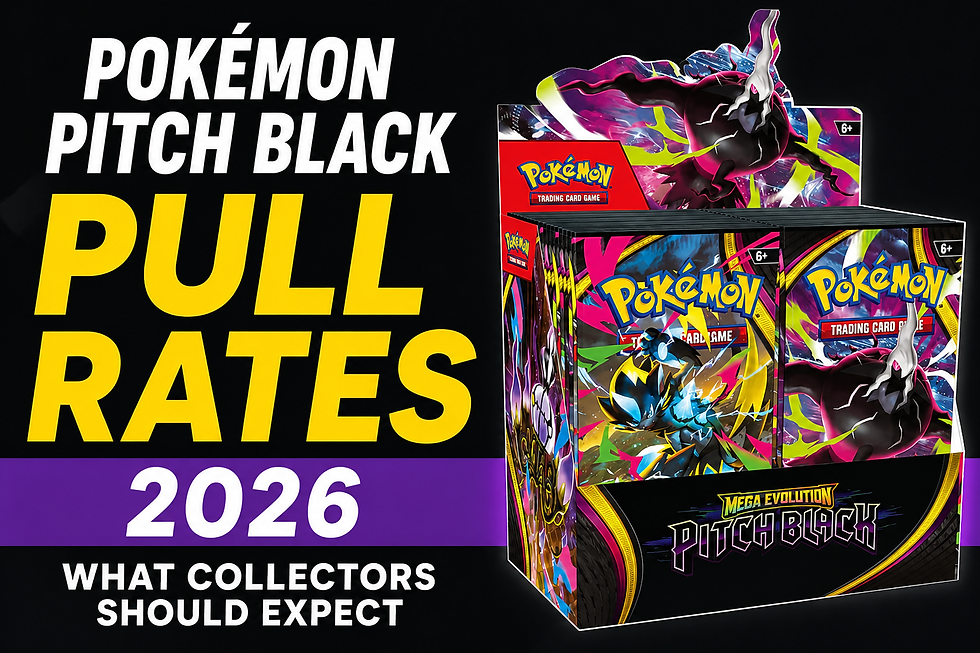
Recent releases like Pitch Black are a good example. Several of the headline cards commanded impressive prices immediately after launch before retreating as additional product reached collectors. That's frustrating if you bought during the initial rush, but it isn't unusual. Release-week prices are often driven by limited supply, fear of missing out, and enormous attention from content creators. Once those conditions fade, prices frequently move closer to where the market believes they belong.
Looking at those charts alone tells only part of the story.

The Bigger Problem Isn't Falling Prices. It's Too Many Choices.
If I think the market has changed, it isn't because collectors suddenly stopped caring about Pokémon.
It's because they're being asked to make more buying decisions than ever before.
Today's collectors aren't choosing between one or two expansions a year. They're juggling standard sets, specialty releases, Pokémon Center exclusives, premium collection boxes, Elite Trainer Boxes, promotional products, and anniversary announcements. Many of those same collectors also enjoy Magic: The Gathering, One Piece, Disney Lorcana, sports cards, or other hobbies competing for the same budget.
That changes how people collect.
Instead of buying every new release automatically, collectors are beginning to ask questions they probably should have been asking all along. Is this artwork memorable? Does this set offer something unique? Will I still be excited to own these cards five years from now, or am I simply reacting to release-week hype?
Those aren't the questions of a collapsing market.
They're the questions of a more experienced one.
Pokémon 151 Proves That Great Products Still Win
If you want evidence that demand hasn't disappeared, you don't have to look very far.
Look at Pokémon 151.
Long after release, collectors continue chasing sealed boxes, hunting favorite Kanto Pokémon, and paying premiums for products that capture the nostalgia of the original generation. The success of Pokémon 151 wasn't built on tournament results or short-term speculation. It succeeded because it reminded millions of people why they fell in love with Pokémon in the first place.
That's an important lesson.
Not every expansion has to become the next Pokémon 151, and it probably shouldn't. The hobby benefits when truly exceptional products stand apart from average ones instead of every release being treated as an instant investment opportunity.
If anything, Pokémon 151 demonstrates that collectors are still willing to spend significant money when a product genuinely resonates with them.
Why the 30th Anniversary Matters
I also think it's impossible to discuss today's market without looking at what's just around the corner.
The Pokémon franchise celebrates its 30th anniversary in 2026, and milestone anniversaries have historically brought renewed attention to the hobby. Former collectors return out of curiosity, longtime fans become nostalgic, and special products often introduce new audiences to the trading card game.
That doesn't mean every sealed box or chase card is guaranteed to increase in value.
History doesn't work that way.
What anniversaries often do, however, is remind collectors which products truly matter to them. Sets built around iconic Pokémon, memorable artwork, and nostalgia tend to benefit far more than products that rely only on short-term excitement.
That's one of the reasons I believe the current pullback deserves perspective. Many collectors aren't leaving the hobby. They're simply saving room in their budget for the products they believe will matter most over the next year.
So, Should Scalpers...I Mean Collectors Be Worried?
If you're buying modern chase cards during release week hoping for a quick flip, the past few months have probably been disappointing. If you're building a collection you'll still enjoy years from now, however, this market may actually present more opportunities than problems.
Many modern singles have become far more affordable once the initial hype faded, giving collectors a chance to buy cards they genuinely want without paying launch-week premiums. At the same time, strong products like Pokémon 151 continue proving that demand hasn't disappeared. Collectors are simply becoming more selective about what deserves their money.
Rather than asking whether the Pokémon market is crashing, I think the better question is this: Which products will collectors still be excited to own five or ten years from now? That's the question likely to matter long after today's price charts have been forgotten.
Frequently Asked Questions
Is the Pokémon market really crashing?
No. While many modern singles have fallen after release, demand remains strong for desirable sealed products, nostalgia-driven sets, and premium collectibles. The current market looks more like a correction than a collapse.
Why are recent Pokémon cards losing value?
Most modern cards peak during release week when supply is limited and excitement is highest. As more product is opened and additional singles enter the market, prices often settle.
Is Pokémon 151 still a good investment?
Pokémon 151 continues to attract strong collector demand thanks to its nostalgia, iconic Pokémon, and limited availability. While no collectible is guaranteed to appreciate, it remains one of the most sought-after modern Pokémon sets.
Will the Pokémon 30th Anniversary increase card prices?
Major anniversaries often bring new collectors into the hobby and renew interest among longtime fans. While not every card will increase in value, anniversary products and nostalgic releases typically receive the most attention.
Is now a good time to buy Pokémon singles?
For many collectors, yes. Buying after the initial release hype has faded often provides better value than purchasing during launch week, when prices are usually at their highest.
What should collectors focus on during a market pullback?
Instead of chasing every new release, consider focusing on products you genuinely enjoy collecting. Sets with memorable artwork, iconic Pokémon, and long-term collector appeal have historically performed better than cards driven purely by short-term hype.


Comments